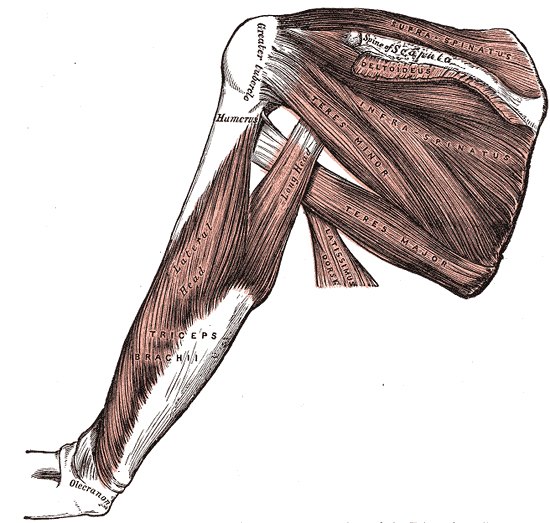
 Zone 01Gray’s Anatomy, 1918
Shoulders & Rotator Cuff Complex
Subscapularis, supraspinatus, infraspinatus, teres minor & glenohumeral capsular restrictions.
Included in Practical Lab
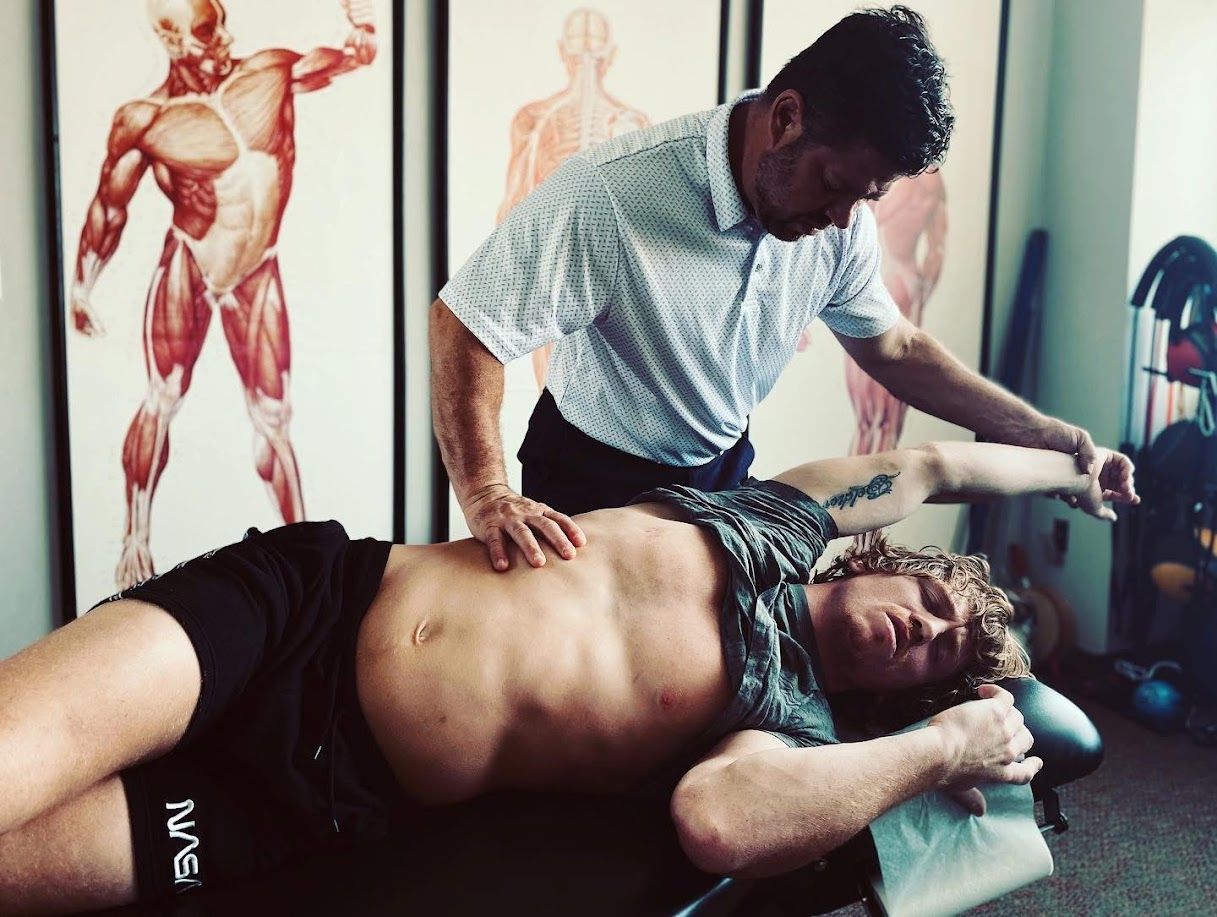
Advanced instruction in soft-tissue restrictions, passive movement assessment, and precise manual manipulation of the upper kinetic chain.
Hands-on clinical positioning for shoulder, brachial plexus, elbow, forearm, and wrist releases.
DRT Upper Extremity equips clinicians with specialized passive mobilization and soft-tissue release methods. Under controlled anesthesia settings, patients remain fully passive, enabling uninhibited assessment of deep fascial barriers and joint restrictions.
DRT Upper Extremity provides advanced instruction in the assessment and treatment of soft-tissue restrictions involving the hands, wrists, forearms, elbows, upper arms, shoulders, and surrounding structures. Attendees review the relevant muscles, tendons, ligaments, fascial planes, connective tissues, and neurovascular structures while learning the appropriate application of Dynamic Release Techniques.
Anatomy & PalpationBecause the patient may be unconscious under anesthesia, all positioning and movement are performed passively by the treating physician and trained assistant. The patient does not actively contract, resist, or control the movement. This allows the physician to assess tissue tension, joint restriction, adhesions, and movement barriers while applying precise Passive Release Techniques before progressing to osseous manipulation when clinically appropriate.
Anesthesia SettingThe course emphasizes controlled upper-extremity positioning, physician-assisted movement, tissue-specific contact, patient safety, communication with the anesthesia team, and the proper sequence of soft-tissue treatment and manipulation.
Safety & SequencingEach zone is covered in the online anatomy review and practiced hands-on in the lab.
Zone 01Gray’s Anatomy, 1918Subscapularis, supraspinatus, infraspinatus, teres minor & glenohumeral capsular restrictions.
Included in Practical Lab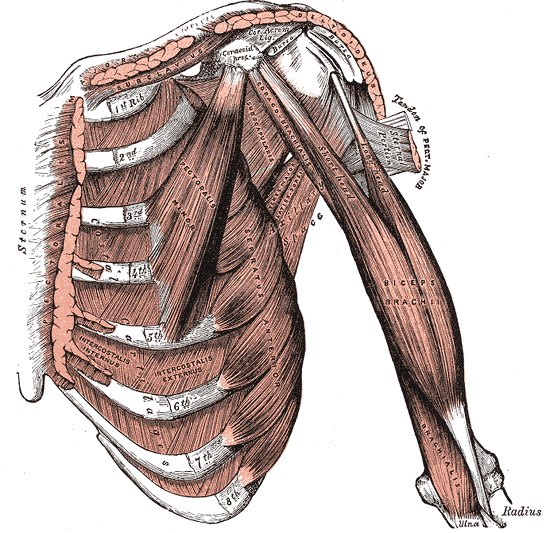 Zone 02Gray’s Anatomy, 1918
Biceps brachii, brachialis, triceps, intermuscular septa & deep brachial fascia.
Included in Practical Lab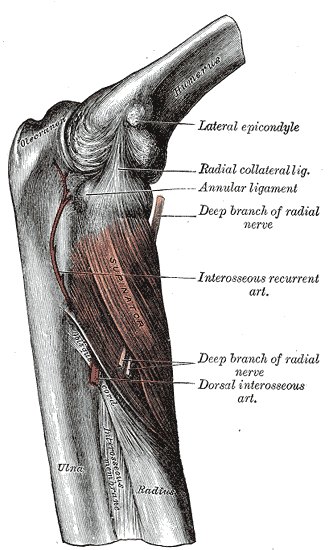 Zone 03Gray’s Anatomy, 1918
Medial/lateral epicondylar tendinopathies, pronator teres, flexor/extensor compartments.
Included in Practical Lab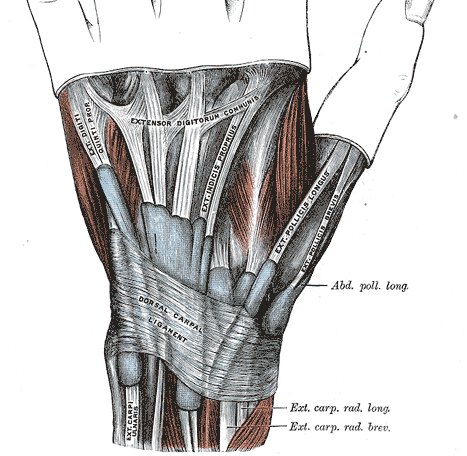 Zone 04Gray’s Anatomy, 1918
Transverse carpal ligament, flexor retinaculum, radiocarpal & intercarpal joint mobility.
Included in Practical Lab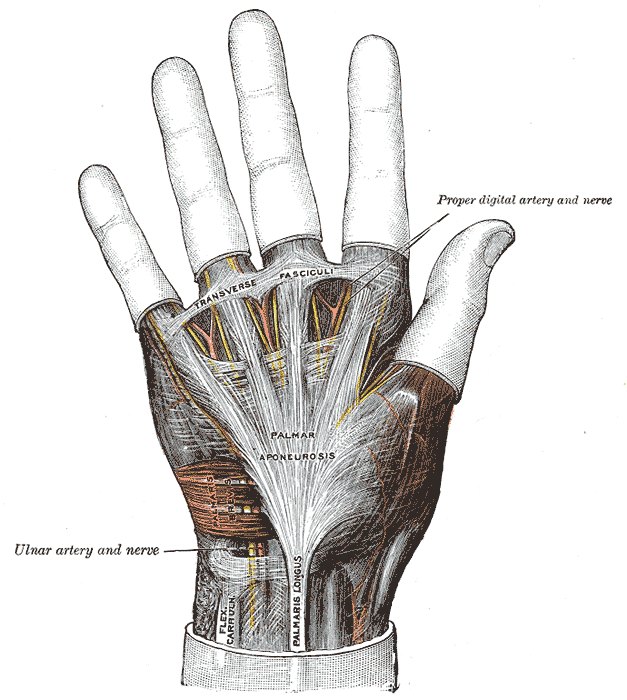 Zone 05Gray’s Anatomy, 1918
Palmar aponeurosis, thenar/hypothenar eminences, lumbricals, interossei & digital sheaths.
Included in Practical Lab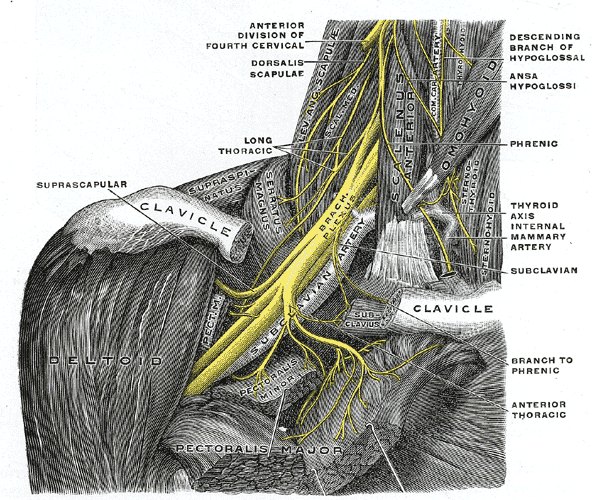 Zone 06Gray’s Anatomy, 1918
Median, radial, ulnar nerve pathways, brachial plexus entrapment zones & vascular flow.
Included in Practical LabAnatomical plates: Henry Gray, Anatomy of the Human Body (1918), public domain, via Wikimedia Commons.
Attendees receive personal guidance from certified DRT faculty, practicing vector angles, tissue tension palpation, and safe positioning maneuvers on live subjects in first-class seminar venues worldwide.

Explore the other regions
Join leading healthcare professionals in our upcoming destination seminars and add DRT Upper Extremity to your clinical skillset.