Soft Tissue and Osseous Manipulation Under Anesthesia
STOMUA™ stands for Soft Tissue and Osseous Manipulation Under Anesthesia. Developed by Dr. Jon Petrick, STOMUA™ is the advanced procedural application of the Dynamic Release Techniques™ system.
This allows the provider to access deeper restrictions, identify true motion barriers, and perform more advanced movement restoration with greater precision.
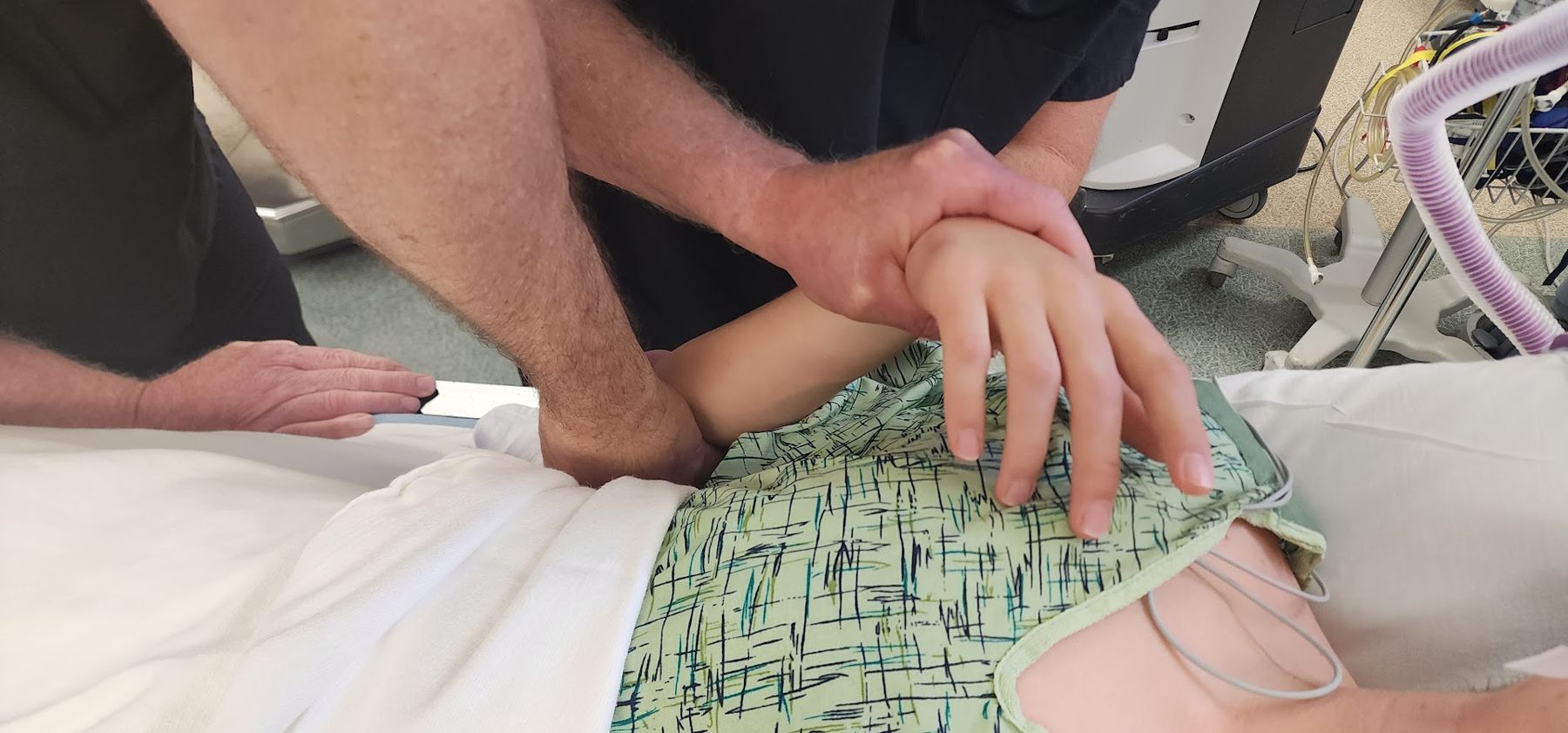
STOMUA™ combines Passive Release Techniques™, advanced soft tissue restoration, joint mobilization, fascial decompression, neural interface work, and osseous manipulation within a monitored anesthesia environment.
The purpose is to address complex cases where pain, guarding, scar tissue, chronic restriction, trauma, or failed conservative care prevents normal restoration of motion.
STOMUA™ is not force-based manipulation. It is a controlled, physician-directed procedure focused on restoring motion, improving tissue glide, reducing mechanical restriction, and addressing deeper soft tissue and joint dysfunction.
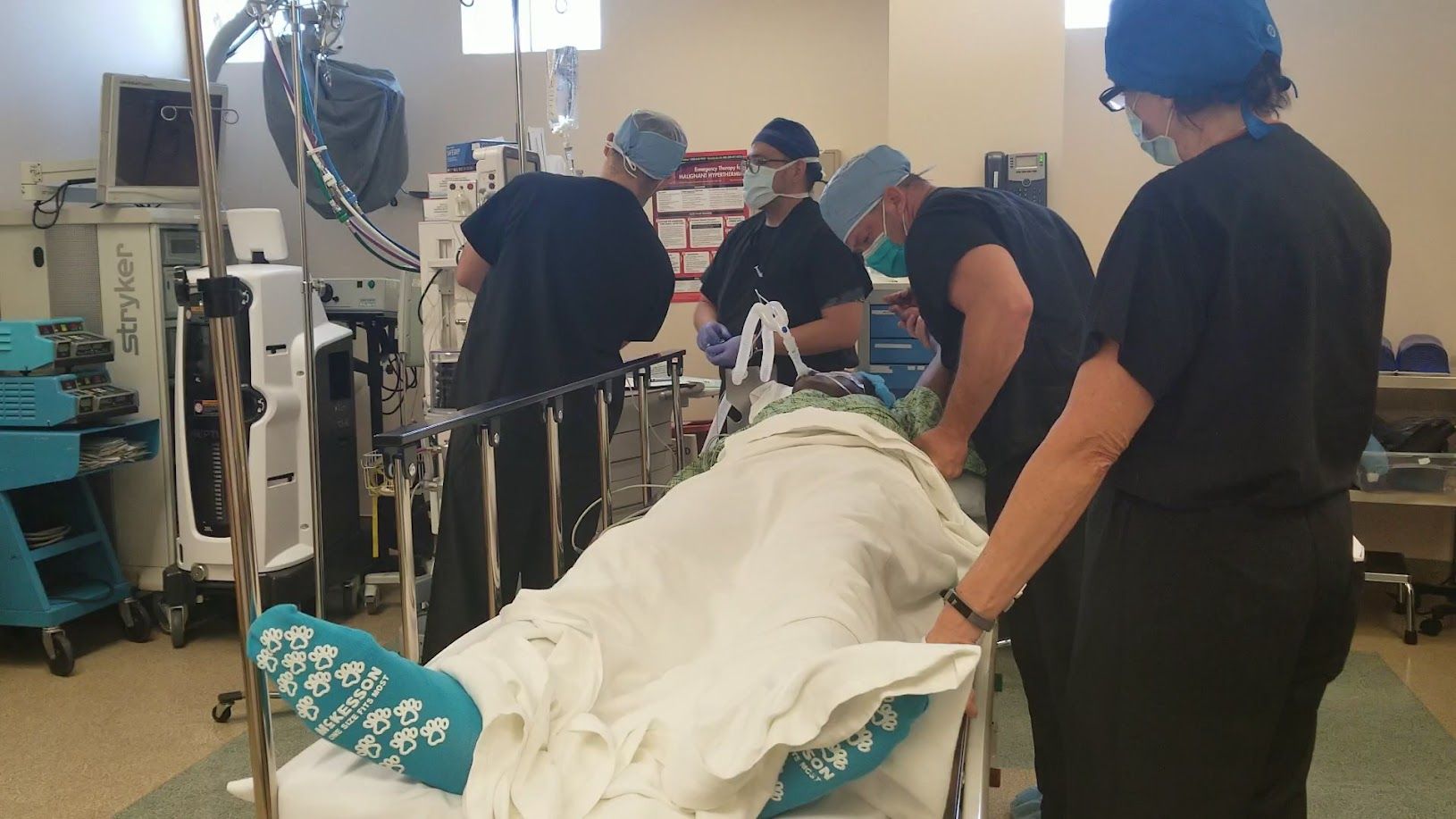
STOMUA™ may address chronic fascial adhesions, capsular restrictions, scar tissue, long-standing joint restriction, complex regional movement dysfunction, and deep soft tissue guarding patterns.
Focuses on the relationship between nerves and surrounding tissue. The nerve is not treated alone. The surrounding fascia, muscle, scar tissue, joint mechanics, and movement dysfunction must all be considered.
That’s the DRT Standard.
We follow a precise, step-by-step approach to ensure safety, accuracy, and optimal outcomes. Every stage is designed to create a controlled environment where advanced soft tissue and osseous restrictions can be addressed effectively.
Optimal alignment for safety and access.
Verify history, imaging, and readiness.
Ensure all criteria are appropriate.
Gentle prep to optimize tissue response.
Customize based on assessment findings.
Promote recovery and long-term results.
Our commitment: Safety. Precision. Superior Results.

That means learning with their hands, moving with intention, thinking clinically, exploring new environments, and connecting with people who are just as committed to growth.
Every DRT destination is designed to include world-class instruction, hands-on clinical training, cultural exploration, movement-based adventure, recovery experiences, professional networking, and meaningful fellowship.
STOMUA™ is the highest-level application of Dynamic Release Techniques™. Providers progress through NOR™, PRT™, Dynamic Instruments™, and Neuro Mobilization before moving into STOMUA™ fellowship-level training.
STOMUA™ represents the advanced procedural evolution of Dynamic Release Techniques™, combining soft tissue precision, osseous motion restoration, and monitored procedural care for complex movement dysfunction.
The Soft Tissue and Osseous Manipulation Under Anesthesia portion is for licensed medical doctors, doctors of osteopathic medicine and chiropractors. See Scope of Practice and Eligibility.
Precision. Motion. Restoration.